What Rust Players Can Learn From the 2026 Streamer Server Experiment
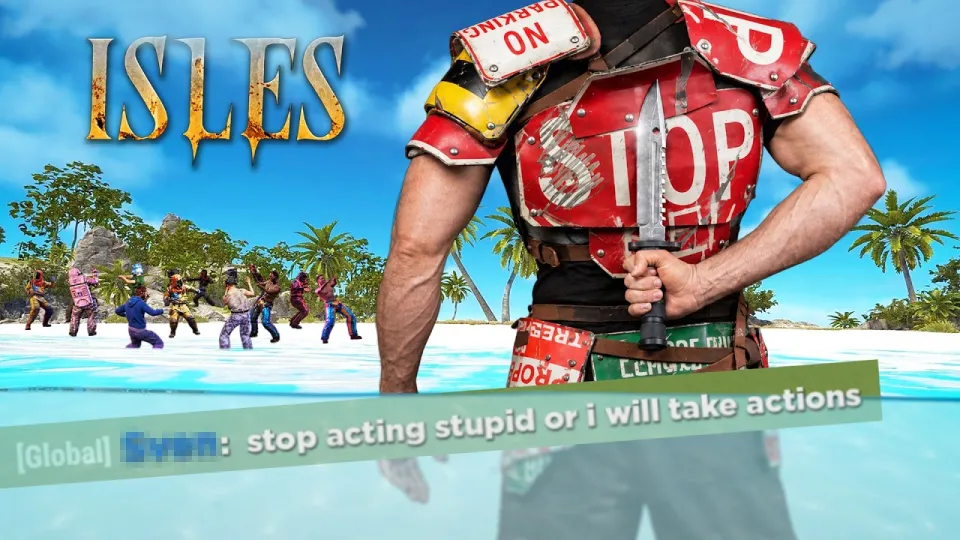
Video: Not Another Rust Streamer Server
Need articles like this for your video? They help promote it on YouTube and Google — order them in the Telegram bot @sat_sit_bot. The bot writes and publishes the articles itself (with your YouTube video embedded) on popular topical websites (no ads). Try it free: 50 articles on us.
· based on the channel Stimpee
Key takeaways
- Stimpee's video 'Not Another Rust Streamer Server' documents his return to a streamer-only Rust server after years away.
- The server, Rust Isles, features a pirate theme and strict roleplay rules enforced by admins.
- Viewer comments highlight the tension between chaotic solo play and clan expectations, with Stimpee often targeted by admins.
- Streamer servers create unique social experiments, blending Rust's survival mechanics with reality-TV-style drama.
- The video underscores how Rust's core loop—loot, raid, betray—remains central even in controlled environments.
Rust streamer servers are invite-only private servers where content creators play together under modified rulesets, often with heavy admin oversight and roleplay elements. In his video "Not Another Rust Streamer Server," Stimpee returns to this format after years, offering a window into how these closed ecosystems function and what regular players can take away from them. You can catch Stimpee live on Twitch, where he streams Rust and other games.
The Rust Isles server and its pirate-themed ruleset
Rust Isles is a streamer server with a pirate theme, meaning clans, boats, and coastal conflict are central to its design. Unlike public servers, it comes with an explicit ruleset that discourages certain behaviors—though as Stimpee's experience shows, enforcement can be inconsistent. The server aims to foster collaborative content creation, but the mix of competitive Rust instincts and roleplay expectations often leads to friction. For regular players, the key takeaway is that even in a controlled environment, Rust's core survival loop—gather, build, raid—remains intact; the difference lies in the social contract among participants.
How streamer servers differ from public Rust
Streamer servers operate on a different social contract than public Rust servers. They are typically whitelisted, meaning only approved content creators can join, and they often have active admins who monitor for harassment, cheating, and sometimes even in-game politics. This creates a paradoxical environment: the stakes are lower because it's not a permanent world, but the social pressures are higher because everyone is visible to an audience. Stimpee's video illustrates this tension—he is both a participant and a performer, and his actions are scrutinized by admins and viewers alike. Public server players face similar dynamics in clan politics, but without the spotlight.
The social experiment of streamer-only Rust
Streamer-only Rust servers function as a social experiment, blending survival gameplay with reality-TV-style drama. The closed nature of the server amplifies interpersonal conflicts, alliances, and betrayals. In Stimpee's case, his reputation as a chaos agent precedes him, leading to preemptive admin interventions—such as removing weapons from his inventory—that would be unusual on public servers. Viewer comments note that these servers often feel like a gathering of adults acting like children, highlighting the performative aspect of the content. For regular players, the lesson is that Rust's social dynamics—trust, reputation, and conflict—are magnified in any closed group, whether it's a streamer server or a clan on a public wipe.
Lessons for solo and clan players from Stimpee's run
Stimpee's run on Rust Isles offers practical lessons for both solo and clan players. First, reputation matters: Stimpee's history as a troll precedes him, and admins watch him closely, which can both hinder and help—he gets attention but also preemptive nerfs. Second, adaptability is key: when his clan leader expected loyalty, Stimpee's independent actions (like hijacking a boat) created conflict, showing that clear communication about expectations is vital in any group. Third, resource management remains paramount: even with admin oversight, the need to gather and craft is constant. Finally, don't underestimate the value of social engineering—Stimpee's ability to manipulate situations often comes from understanding human psychology, a skill useful in any Rust encounter.
Common viewer questions about streamer servers
Viewers often wonder why streamer servers exist and how they affect regular players. One common question is whether these servers are "easy mode"—the answer is no, because admin intervention can both help and hinder, and the social pressure is intense. Another question is about access: these servers are invite-only, often requiring a content creation portfolio and connections. A third concern is fairness: some viewers see streamer servers as cliquish, but they also serve as marketing for the game. Finally, many ask if streamer servers are roleplay-heavy—yes, many are, but the degree varies; Rust Isles leans into pirate roleplay, but competitive instincts often break through.
Useful links
- Stimpee on Twitch – live streams and VODs
- Stimpee on Twitter – updates and announcements
- Stimpee on Instagram – behind-the-scenes content
- Stimpee's Discord – community chat and events
Final thoughts
Stimpee's "Not Another Rust Streamer Server" is more than just a gameplay video; it's a case study in how Rust's social mechanics adapt to a controlled environment. The channel Stimpee consistently delivers content that highlights the absurdities and tensions of streamer life, and this video is no exception. Whether you're a solo player or a clan leader, the lessons about reputation, communication, and adaptability are universally applicable. For more of Stimpee's Rust adventures, follow him on Twitch and join the conversation.
Source: Not Another Rust Streamer Server · Markdown version
Questions & answers
What is a Rust streamer server?
A Rust streamer server is a private, whitelisted server where content creators play together, often with modified rules and admin oversight. These servers are designed to foster collaboration and content creation, but they can also amplify social dynamics and conflicts.
Can regular players join streamer servers like Rust Isles?
Generally, no. Streamer servers are invite-only and require participants to be approved content creators. However, some servers may open applications or host public events, so following streamers and their communities is the best way to learn about opportunities.
Why do admins intervene so much on streamer servers?
Admins on streamer servers often intervene to maintain a positive environment for content creation and to prevent harassment or rule-breaking that could reflect poorly on the server. However, this can lead to perceptions of favoritism or overreach, as seen in Stimpee's video.
What can solo players learn from streamer server dynamics?
Solo players can learn the importance of reputation, social engineering, and adaptability. Even in a controlled environment, Rust's core challenges—resource management, conflict resolution, and trust—remain, and observing how streamers navigate them can provide valuable insights for public server play.